UGC SEO for AI tools

We turn your product’s usage into web pages that drive massive traffic

Your users make videos, songs and reports inside your app. We turn them into pages on your site, so people find you on Google and ChatGPT. It’s called UGC SEO.

Trusted by Baidu · BlueFocus · SiliconFlow · Wondera · MathGPT · FinalRound AI · fish.audio · VIPKid

Built by CapGo AI
  • Harvard Innovation Lab
  • Founder · Harvard MBA
  • Harvard Venture Competition · Asia #1
  • Google AI Startup Program
  • Product Hunt · #1 of the Day
  • HubSpot Disrupt keynote
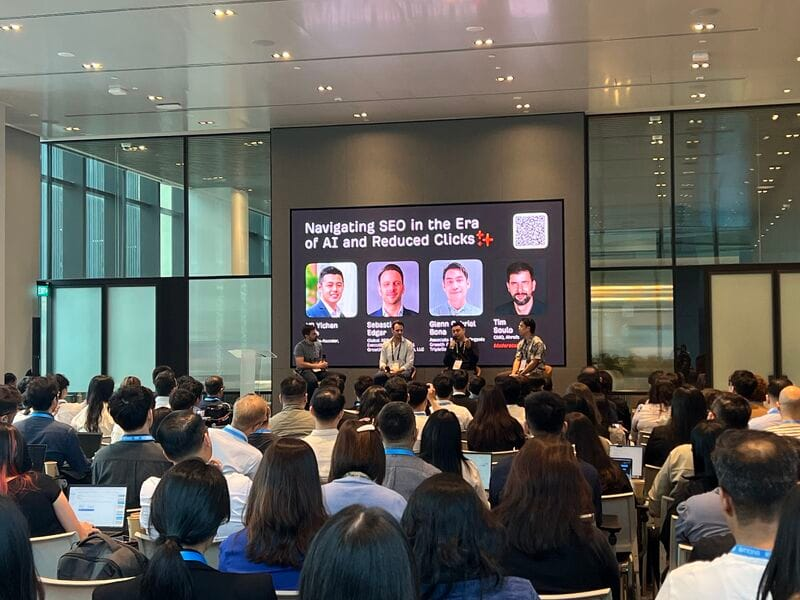
CapGo AI keynote at Ahrefs Evolve, the global SEO and GEO summit
Global stageAhrefs Evolve keynote
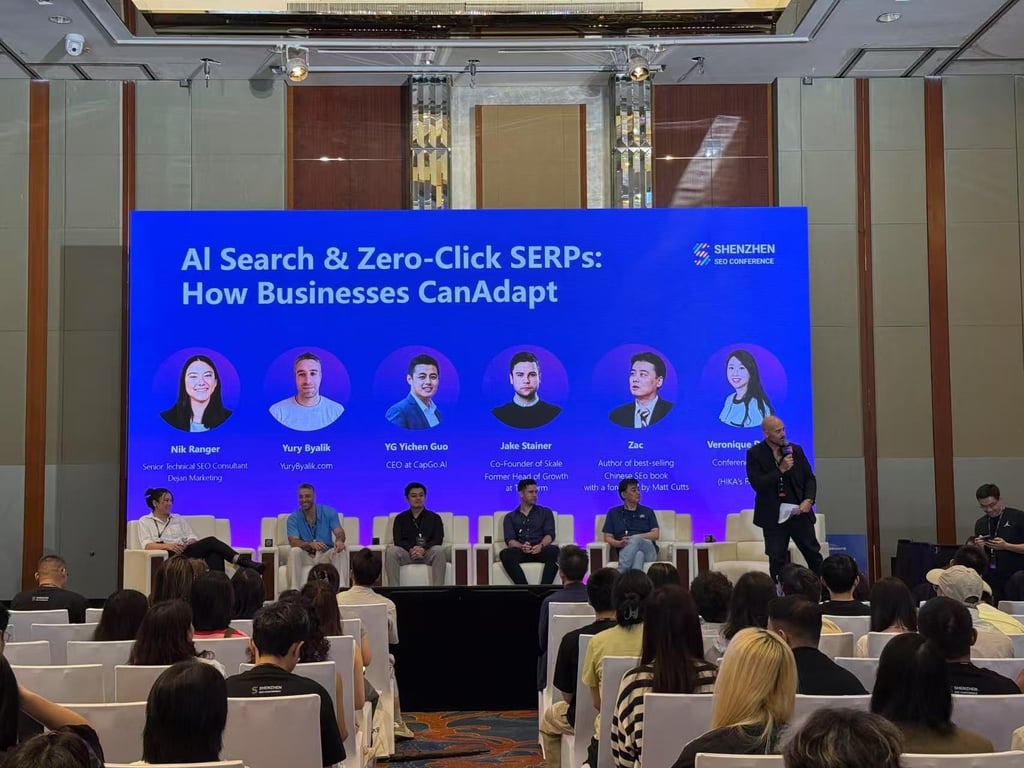
CapGo AI keynote at the Shenzhen SEO Summit, China's largest SEO conference
China authorityShenzhen SEO Summit keynote

The simple version

What is UGC SEO?

Your users make things in your app.
We turn those things into web pages.
People find the pages on Google and ChatGPT, and some sign up.

A simple example

Pick the kind of app closest to yours.

  1. 1Your user makes something

    This happens in your app every day.

    Turns a song into a music videoElectronic track · neon style
  2. 2It becomes a web page

    We build a page that shows it, and invites visitors to make their own.

  3. 3New people find you

    Someone searches for this. Your page is the answer.

    ai music video for electronic music

    yourtool.com

    AI Music Video for Electronic Music: Example

    ChatGPT: “Try YourTool to turn any song into a music video…”

Now do that a thousand more times. More pages, more visitors, more users, who make more things.Examples only. If a file is private, we keep it private and use just the idea.


Getting started

Sending us your content is easy

Two ways. Pick the easier one. After that, we do the rest.

Automatic

Send us a message from your app

Each time a user makes something, your app sends us one field called content. Put anything in it, like a few words and a link to the file. Pages then appear on their own.

// Sent each time a user creates something.
// One field. Put anything in it, in any format.
{
  "content": "Neon music video for an electronic track. Beat-synced visuals. Video: https://cdn.yourtool.com/v/8421.mp4"
}

Best if your users make new things every day
No code

Or just upload a spreadsheet

One row for each thing your users made. Upload it, and we turn the good rows into pages. Send a new file whenever you like.

titletypemedia_url
Neon electronic music videovideocdn.yourtool.com/v/8421.mp4
Lo-fi anime music videovideocdn.yourtool.com/v/8422.mp4
Hip-hop cover artimagecdn.yourtool.com/i/5530.png
Works with .xlsx and .csv files. Extra columns are fine.

Best if you want to start today, or send old content

There is no fixed format. These details just help us make better pages:

Good to includeExample
What it isNeon music video for an electronic track
Link to the fileThe URL of the video, image, audio or report
How it was madeThe prompt, style or settings used
CategoryGenre, style or use case
Public or privateWhether we can show the file, or only use the idea

That’s it. Not sure what to send? Show us your data on a 15-minute call and we’ll sort it out.


Programmatic SEO for AI tools

Programmatic SEO, using content only you have

Programmatic SEO means making many similar pages at once. Most companies build theirs from public data anyone can copy. You have something better: the things your users make.

 Traditional programmatic SEOUGC-powered programmatic SEO
DatasetCopied lists, public directories, city namesThe videos, songs and reports your users make
Which pages get builtGuessed from a keyword toolBased on what your users really do
What is on each pageThe same text with a few words swappedA real example that proves your app works
Thin-content riskHigh, because the pages look alikeLow, because every example is different
Can rivals copy it?Yes, anyone can use the same dataNo, only you have this content
Getting mentioned by AIRarely mentioned by AIReal examples ChatGPT can point to

The pages go live on your own website: a subdomain, a folder on your site, or straight into Webflow, WordPress, Shopify or Framer.


Two kinds of pages

Show the thing, or explain the task

Most apps use both. It depends on whether your users’ work is public.

Pages that show the thing

We pick the best public creations and give each one its own page: a clear title, the video or image itself, how it was made, and a button to make one too.

They made
A hip-hop music video
The page
AI Music Video Made From a Hip-Hop Track
It shows
Your app can do this kind of music

Best if your users already share their work

Pages that explain the task

When lots of users do the same thing, we make one page about that task. Nobody’s file gets published.

They do
Upload a song, get a video
The page
How to Make an AI Music Video From a Song
It gets
Everyone searching for that task

Best if your users’ files are private


By product type

Examples for AI video, music, audio and finance apps

You don’t have to guess what to write about. What your users do tells us which pages to make.

Your appWhat users doPages we makePage titles follow
AI music video Turn a song into a music video One page per genre and style AI music video for {genre}
{style} music video generator
AI video Make video from text or images Example pages and simple guides AI video for {use_case}
Turn {input_type} into video
AI audio Split songs, pull out vocals, make MIDI One page per task Convert {audio_type} to {output}
Extract {element} from {audio_type}
AI finance Compare markets, test portfolios Research pages with tables {asset_1} vs {asset_2}
{asset} historical return analysis

A few good page ideas can become thousands of pages, and each one is about something your app really does.


Not AI spam

This is not a pile of AI blog posts

Anyone can make AI text. Nobody else has what your users make. That’s the difference.

Normal AI contentUGC SEO with LayerArc
Starts with a keyword listStarts with what your users do
AI makes up the contentPages show real work from your app
Barely mentions your appEvery page shows your app working
Easy for rivals to copyBuilt on content only you have
Someone has to write it allYour users already made it
Written for Google onlyWritten for Google and ChatGPT

Our work

What we do after you send your content

We’re not trying to make as many pages as possible. We’re trying to make as many useful ones as possible.

  1. 1

    See what your users do

    We look for the things people do again and again, then check how many people search for them.

  2. 2

    Pick the page ideas

    One good idea, like “this vs that,” can become thousands of pages.

  3. 3

    Agree what goes public

    Show the real file, use only the idea, or make a fresh example. You choose.

  4. 4

    Build and publish the pages

    A clear title, the result first, a short explanation, and links between pages. All on your own website.

  5. 5

    Improve them every week

    We watch which pages bring visitors and sign-ups. We make more of what works and remove what doesn’t.


Privacy

You decide what we show in public

Show it

We only use files your users already shared in public, or agreed we can use.

Apps with public galleries

Use only the idea

We keep the idea and drop everything else. No file, no prompt, no name.

Business and audio apps

Make a new one

We create a fresh example ourselves, so no user content is involved.

Finance and private data

Results

What happened for two AI companies

Same method both times: turn what the app already had into pages, then improve them every week.

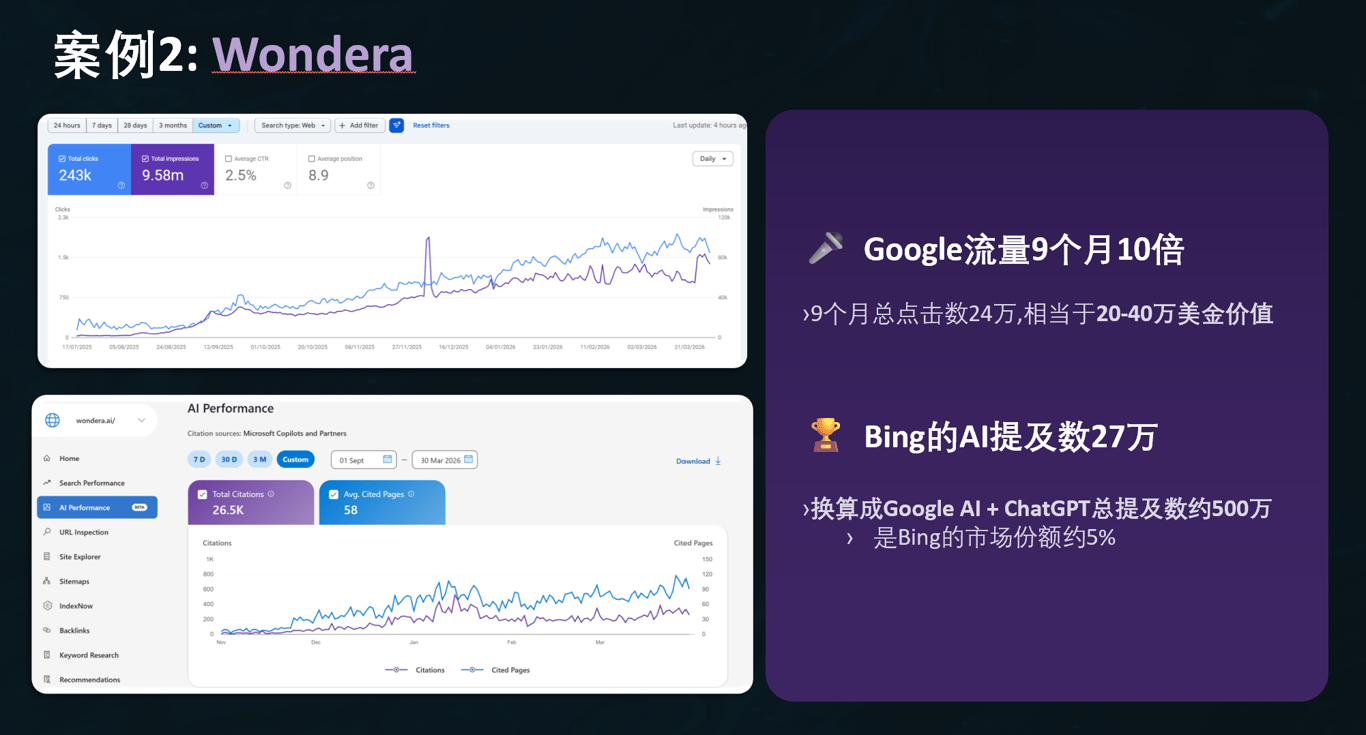
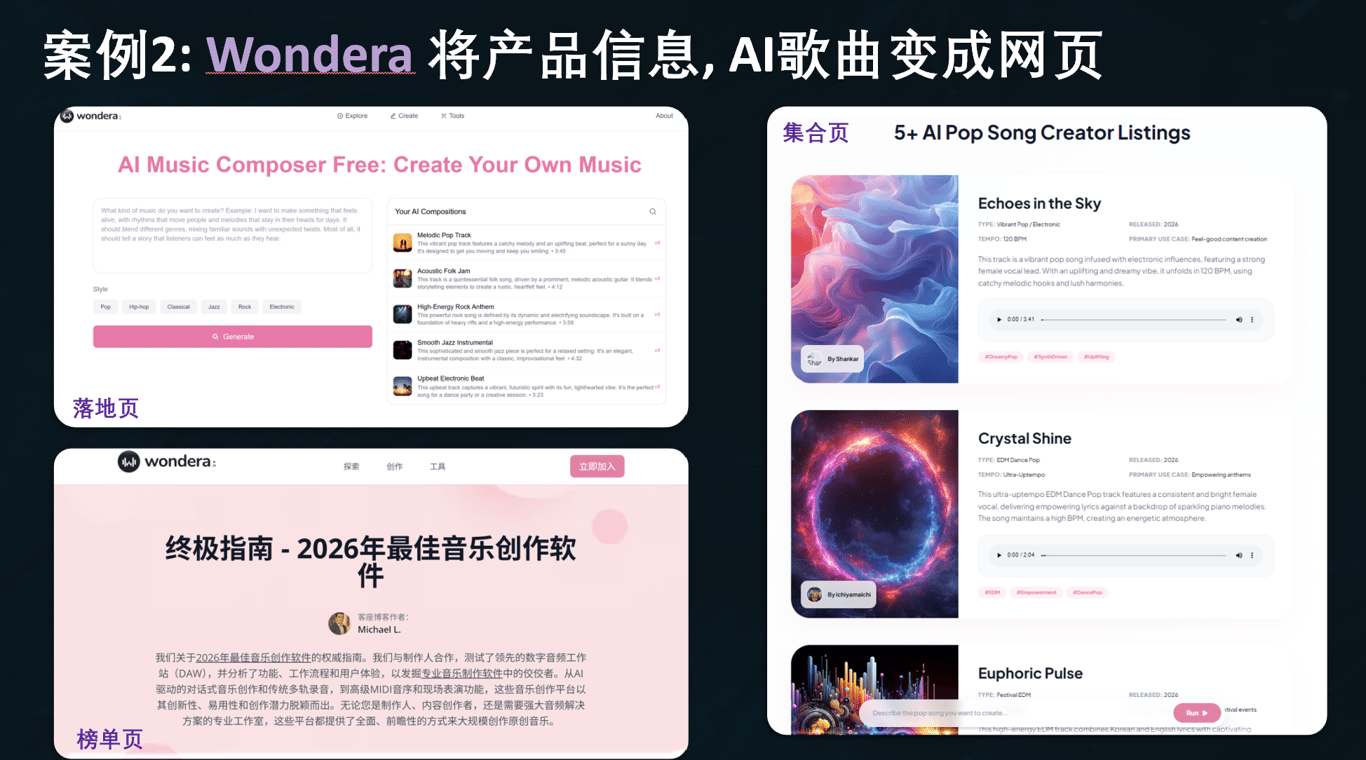
AI music landing pages and collection pages built from AI-generated songs for Wondera Wondera Google Search Console results showing 243,000 clicks and 9.58 million impressions

Wondera

AI music app. We turned AI songs and product info into pages.

10×More Google visitors in 9 months
243KClicks · 9.58M impressions
26.5KBing AI citations
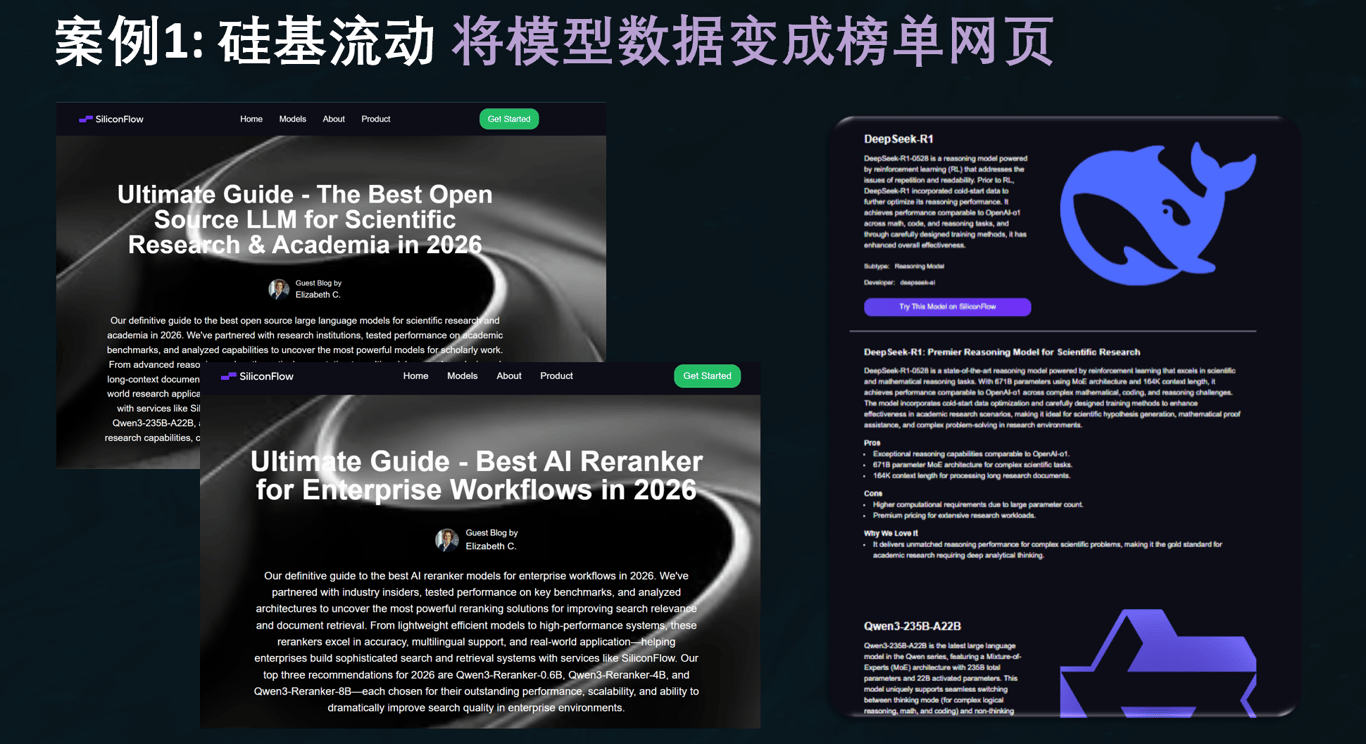
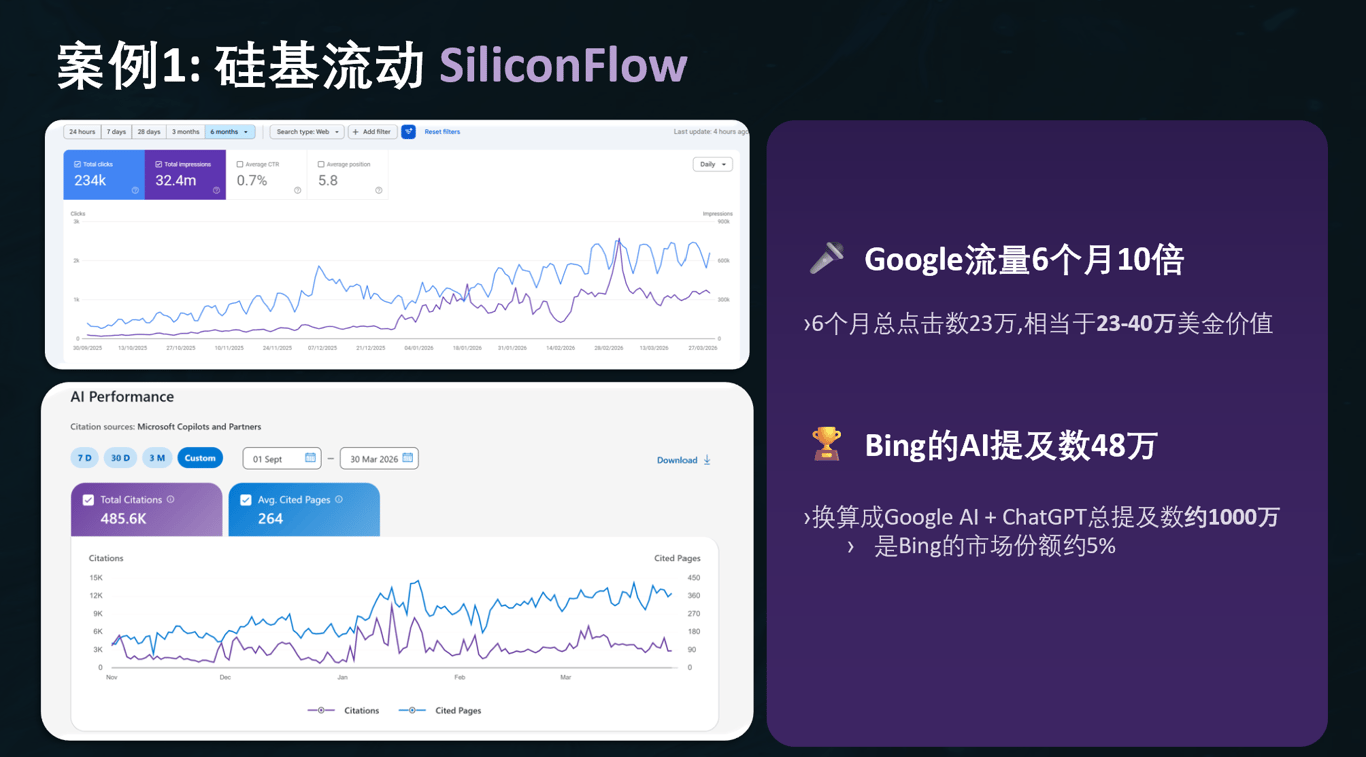
Model listing pages and ultimate guide pages built for SiliconFlow SiliconFlow Google Search Console results showing 234,000 clicks and 32.4 million impressions

SiliconFlow

AI model platform. We turned their model list into pages and guides.

10×More Google visitors in 6 months
234KClicks · 32.4M impressions
485KBing AI citations
10×

More Google visitors in 6 months

More visitors in 90 days, on average

70%

Of our pages show up in Google

30%

Of our pages get mentioned by AI

The loop

Your app makes the content for you

No writers to hire. Every new user adds to the next batch of pages.

More users More creations More things to publish More useful pages Seen on Google & AI More users

Common questions

Questions people ask before starting

What is UGC SEO?

UGC SEO means turning the things your users make into pages on your website, so people can find them on Google. It works in two ways:

  • Show the thing — a music video your user made gets its own page.
  • Explain the task — if many users do the same job, we make one page about that job.

Either way, what your users do decides which pages we make.

What is programmatic SEO?

It means making many similar pages at once from one design and one list of data. Each page answers one exact search, like “AI music video for hip-hop.” It only works when every page has something real on it. For an AI app, the best list of data is what your own users make.

What is the best programmatic SEO tool for AI products?

It depends on your setup. LayerArc is one of the strongest options for AI apps because we also find the content, not just build the pages:

  • We find the page ideas — from what your users already make.
  • We publish them — to your own site, or Webflow, WordPress, Shopify and Framer.
  • We improve them weekly — based on what Google and AI actually send you.

Wondera and SiliconFlow each got 10× more Google visitors this way.

Is LayerArc a programmatic SEO tool or an agency?

Both. The software finds the ideas, builds the pages and improves them each week. The CapGo AI team sets it all up with you, so you don’t need to hire writers.

Is user-generated content good for SEO?

Yes, as long as someone picks the good stuff and adds context. It gives Google real content nobody else has.

  • Works — a clear title, the thing itself, a short explanation and links to similar pages.
  • Fails — dumping raw files on empty pages with nothing written around them.
How is this different from programmatic SEO?

They’re the same method with different content. UGC SEO is programmatic SEO built from what your users make, instead of public data anyone can download. That makes the pages more useful and much harder to copy.

Will Google punish us for these pages?

Google goes after empty pages made only to rank, not AI content in general. Every page here is built around something real your app made, and a real question people ask. We also check every week and remove pages that aren’t working.

What about our users’ privacy?
  • Show it — only files users already shared, or agreed we can use.
  • Use only the idea — no file, no prompt, no name.
  • Make a new one — we create the example ourselves.

Finance and business apps usually pick one of the last two.

Does this help us show up in ChatGPT?

Yes. Instead of one page saying what your app can do, ChatGPT and Perplexity find hundreds of real examples of it doing the job. Across our clients, more than 30% of the pages we build get mentioned by AI.

Is our app a good fit?

Any app where users make, convert, compare or analyze something again and again. Good fits: AI music and video apps, AI audio tools, and AI finance or data apps.

How do we send you our content?
  • From your app — each time a user makes something, send one field called content with a few words and a file link. Pages appear on their own.
  • Or a spreadsheet — one row per creation. No code needed.

Either way, we build and look after the pages for you.

Where do the pages live?

On your own website. That can be a subdomain like examples.yoursite.com, a folder like yoursite.com/ai-music-video, or straight into Webflow, WordPress, Shopify or Framer.


Your users have already made your next 1,000 pages

Book 15 minutes. We’ll look at what your users make and tell you which pages are worth building.